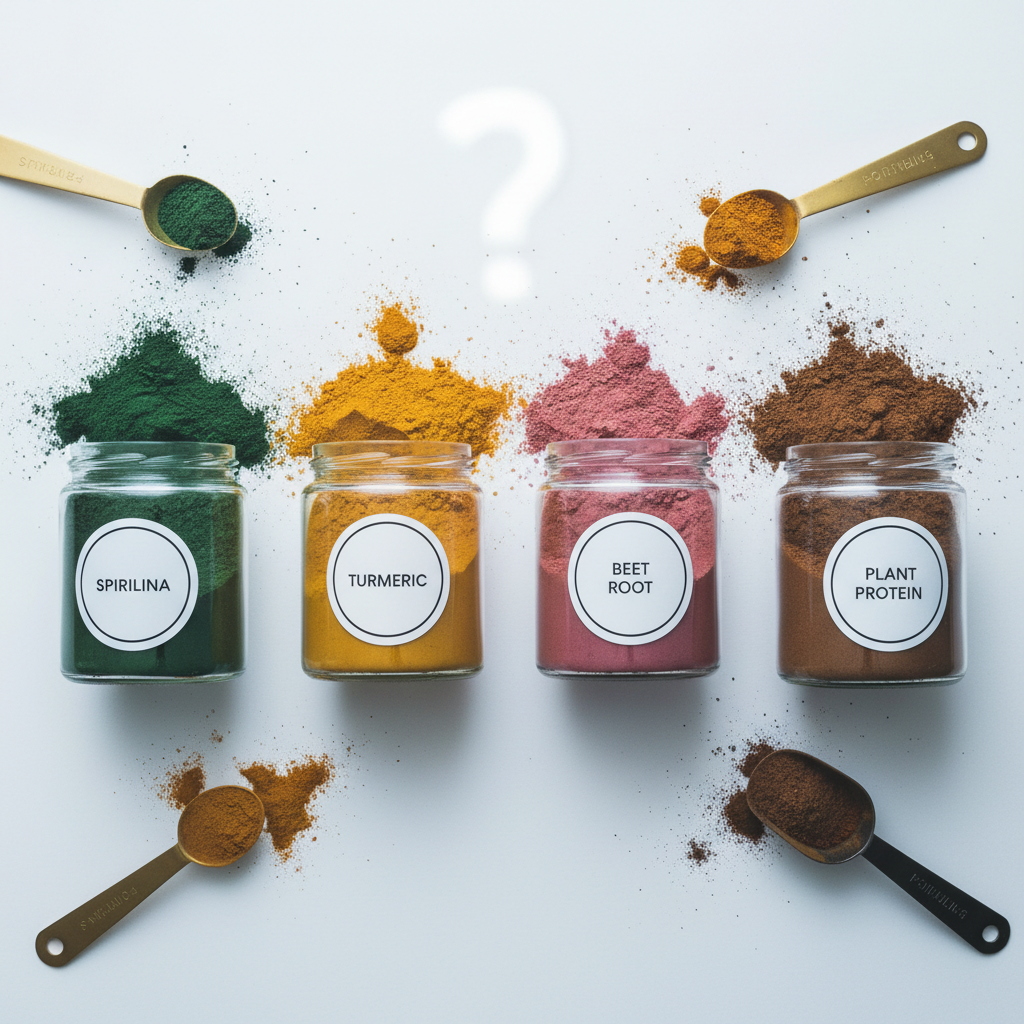
Are Health Powders Actually Healthy? (What No One Tells You)
Walk into any pharmacy, health store, or supermarket in Delhi or Gurgaon and you'll find an entire aisle dedicated to health powders. Protein blends, green powders, meal replacements, immunity boosters. They all look the part. But are they actually doing what the packaging claims?
The honest answer is: some of them, yes. Many of them, no. And the difference is almost never obvious from the front of the label.
The Ultra-Processing Problem
Most commercial health powders are ultra-processed products. That sounds technical, but what it means practically is this: the ingredients have been refined, isolated, combined with stabilisers, thickeners, and flavour agents, and then reconstituted into a product that bears little resemblance to anything that grew in the ground.
Ultra-processing strips away the fibre, enzymes, and co-factors that help your body absorb nutrients in the first place. You might be consuming something listed as having 25% of your daily vitamin C — but if it's in a form your body can't effectively absorb, the number is largely marketing.
Hidden Sugars Under Every Name
The most widespread issue in health powders is sugar — not the word "sugar," which most health-conscious consumers now watch for, but sugar disguised as something that sounds harmless. Dextrose. Maltodextrin. Fructose. Evaporated cane juice. Glucose syrup. Agave nectar.
These are all sugar. Some of them — particularly maltodextrin — spike blood sugar faster than table sugar does. A powder marketed as a "clean energy booster" or "healthy meal replacement" can contain 20–30 grams of these compounds per serving. That's 4–6 teaspoons of effective sugar in something you thought was good for you.
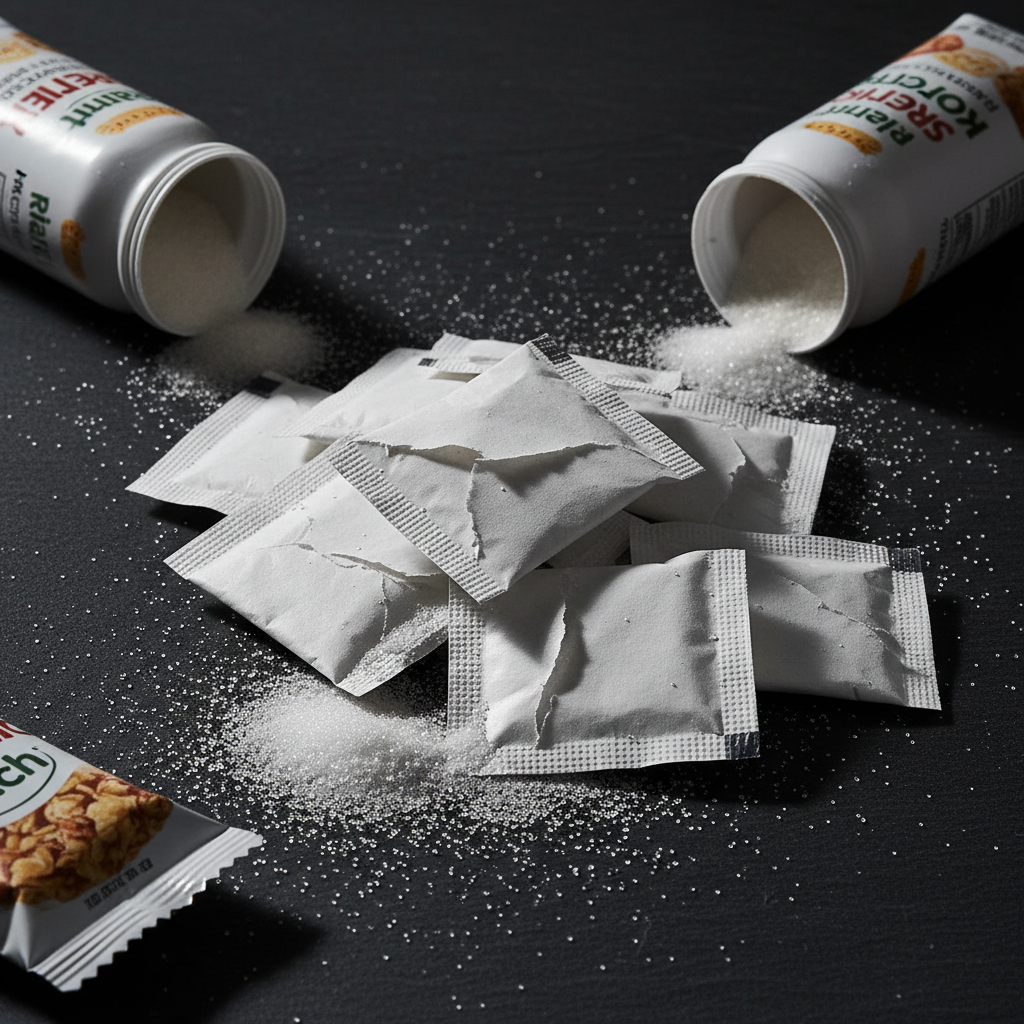
The "healthy" label on the front of a product tells you about the marketing budget. The ingredient list tells you about the product.
Preservatives and Artificial Flavours
For a powder to survive six months on a shelf in varying temperatures and humidity — which is what most retail products must do — it typically requires preservatives. Some of these are benign. Others have documented effects on gut bacteria, hormonal disruption, or inflammatory response at the doses found in regular consumption.
Artificial flavours are a separate issue. The word "flavour" on an ingredient list can legally represent a single compound or dozens of chemical agents combined to produce a desired taste. You have no way of knowing which without researching the specific manufacturer.
When Health Powders Actually Make Sense
Not all powders are created equal. There are genuinely good products in this category — typically those with short ingredient lists, no added sugars, third-party testing, and no need for flavour agents to mask the taste of low-quality base ingredients. The rule is simple: if you can't pronounce most of the ingredients, or if the list is longer than a paragraph, put it back.
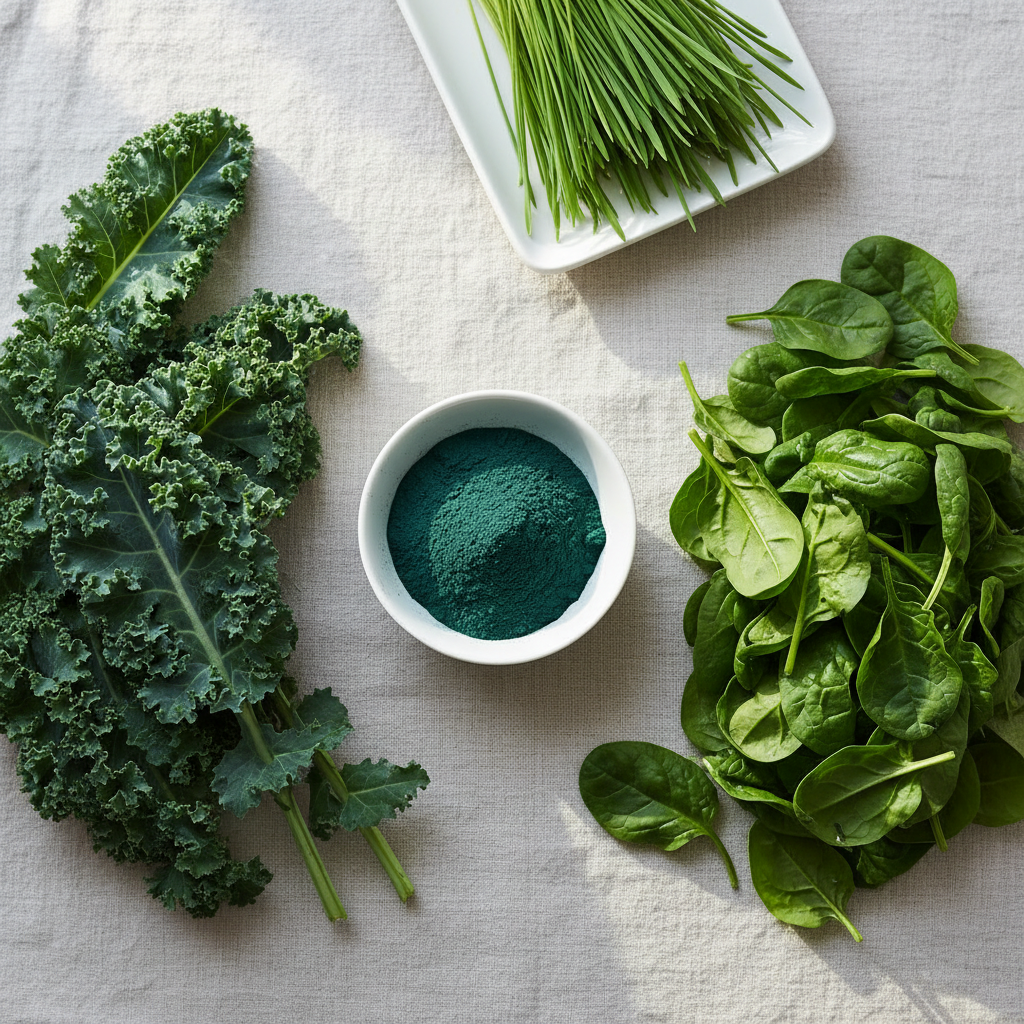
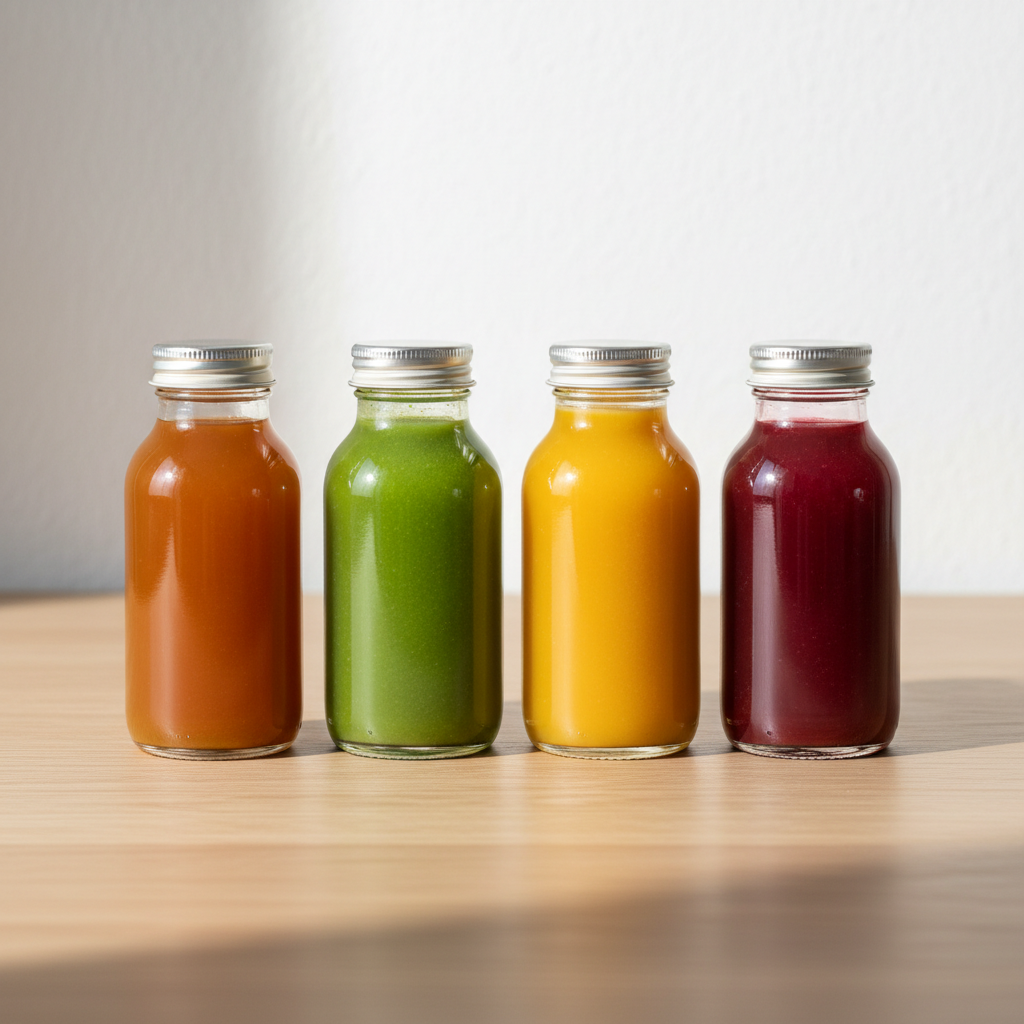
For most people, the better question isn't "which powder should I buy?" — it's "what whole food or minimally processed option could I use instead?" Fresh cold-pressed ingredients, for example, deliver concentrated nutrition from whole sources with no processing in between. What you absorb is what was extracted. Nothing added, nothing masked.
The Convenience Trap
Health powders succeed primarily because they are convenient. And convenience matters — a habit you can maintain is infinitely better than a perfect routine you abandon after two weeks. The issue isn't convenience, it's the assumption that convenient and healthy are the same thing.
The ideal is finding something that's genuinely nutritious and easy. That combination exists — but it requires more scrutiny of what's actually in the product, not just what the packaging promises.
FAQs
Are protein powders worth taking?
Good quality protein powders with minimal ingredients can be useful for people with high protein needs. The problem is that most popular products are laden with flavouring agents and sugars. Look for single-ingredient options or products with fewer than five ingredients total.
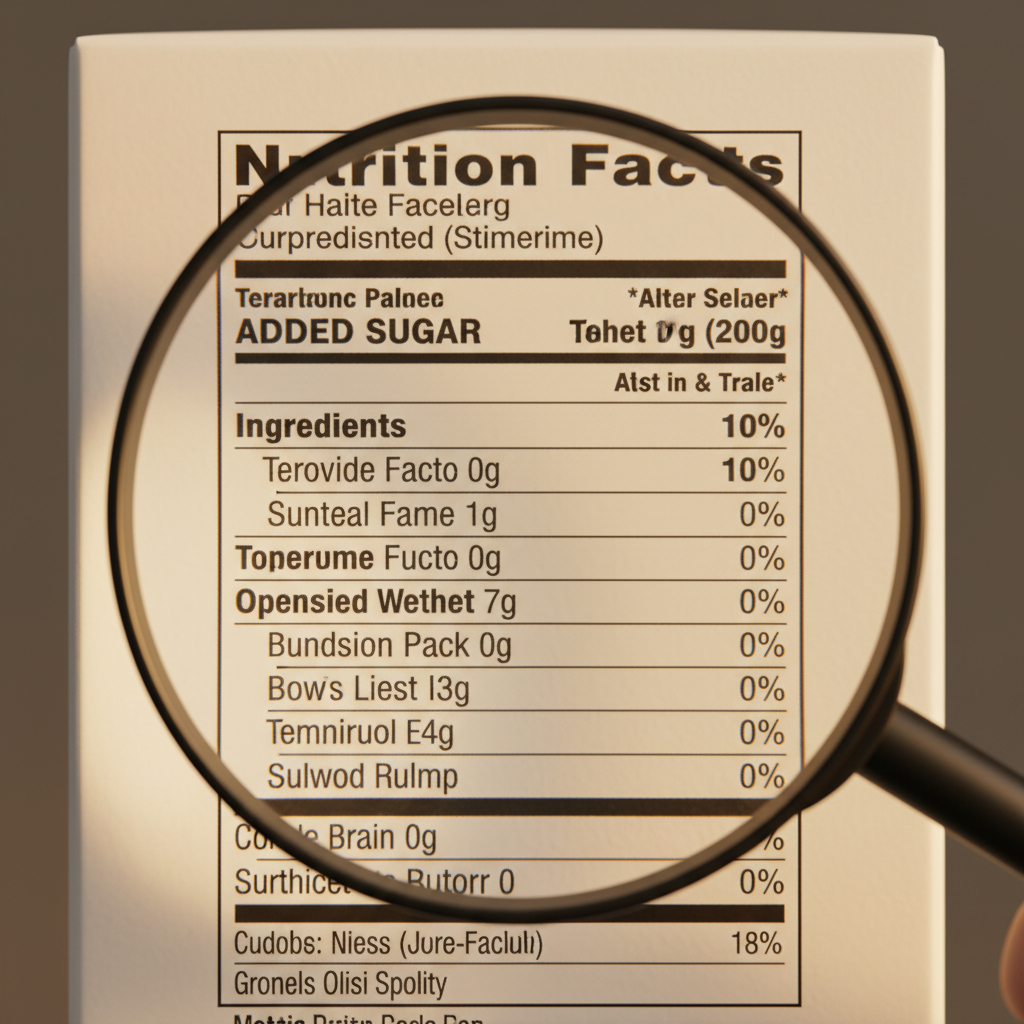
What should I look for on a health powder label?
Short ingredient list. No added sugars (under any name). No artificial flavours or colours. Ideally, third-party tested. Avoid anything with maltodextrin as a significant ingredient.
Is a green powder better than eating vegetables?
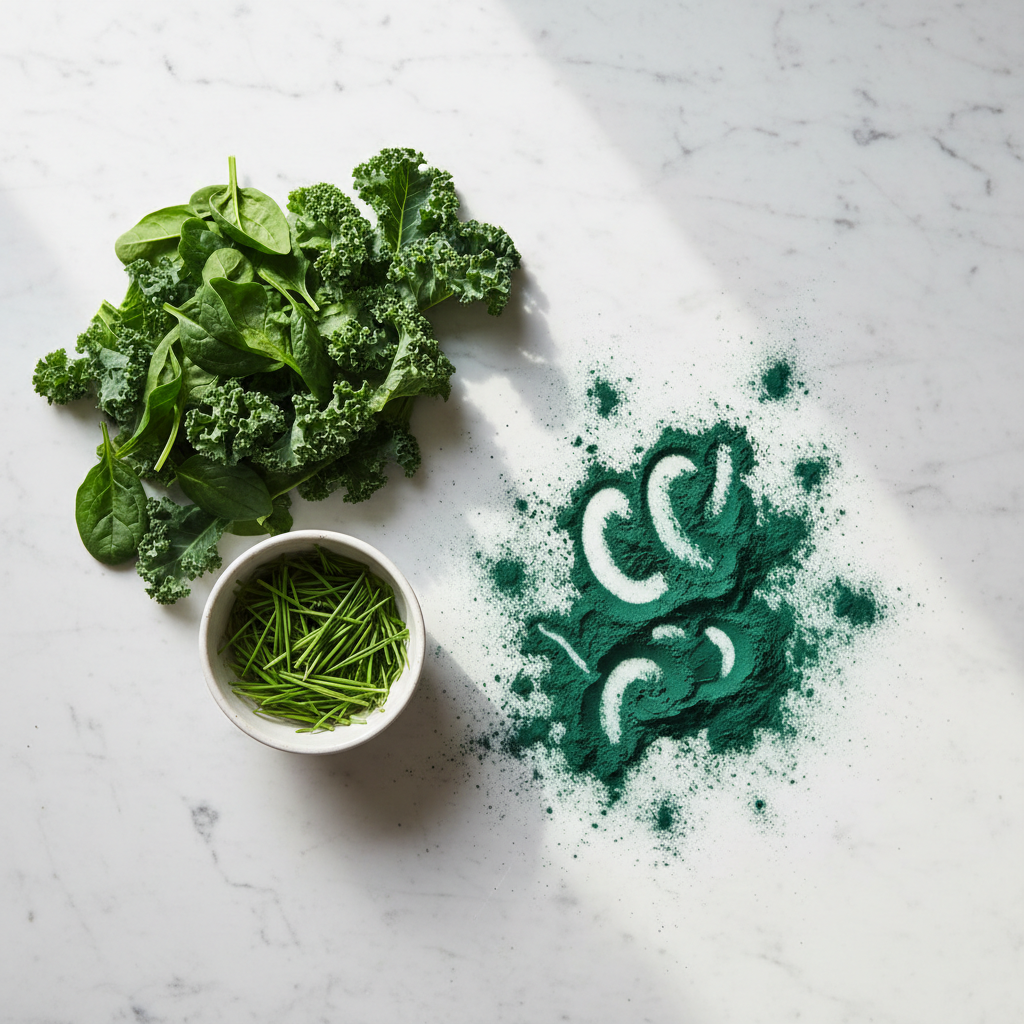
No — but it's better than not eating vegetables. The nutritional profile of fresh, whole vegetables is superior. Green powders fill gaps on days when your diet falls short, but they shouldn't be the primary strategy.
Related Reads
Ready to start?
Build your daily wellness ritual.
Explore Our ShotsSOL Habits cold-presses fresh wellness shots every Saturday and delivers them across Delhi and Gurgaon every Sunday morning. New here? Find your shot or check our delivery areas.