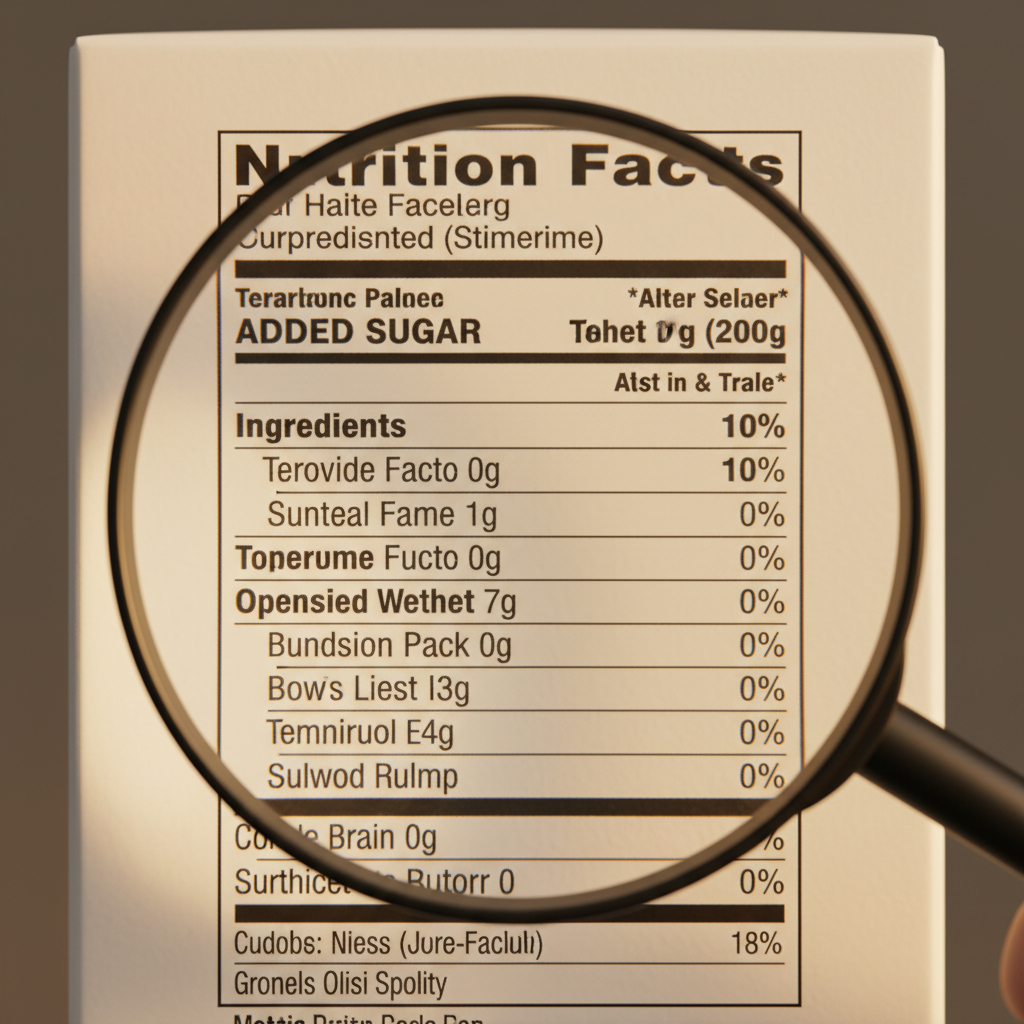
Why Reading Food & Drink Labels Matters More Than Ever
You pick up a product labelled "natural," "high protein," "zero sugar," or "immunity booster." You assume it's good for you. Most people do. But the front of a food or drink label is marketing. The back is where the actual information lives — and most of us have never learned how to read it.
The Front Label Is Marketing
Food manufacturers invest heavily in the design, language, and imagery on the front of their products. Claims like "natural," "wholesome," "clean," and "immunity supporting" are largely unregulated in India. They don't need to be clinically proven. They just need to sound good.
The actual regulatory information — ingredients, nutritional values per serving, additives — lives on the back or side of the packaging. That's where the honest conversation is happening, if you know how to read it.
Sugar Under 56 Different Names
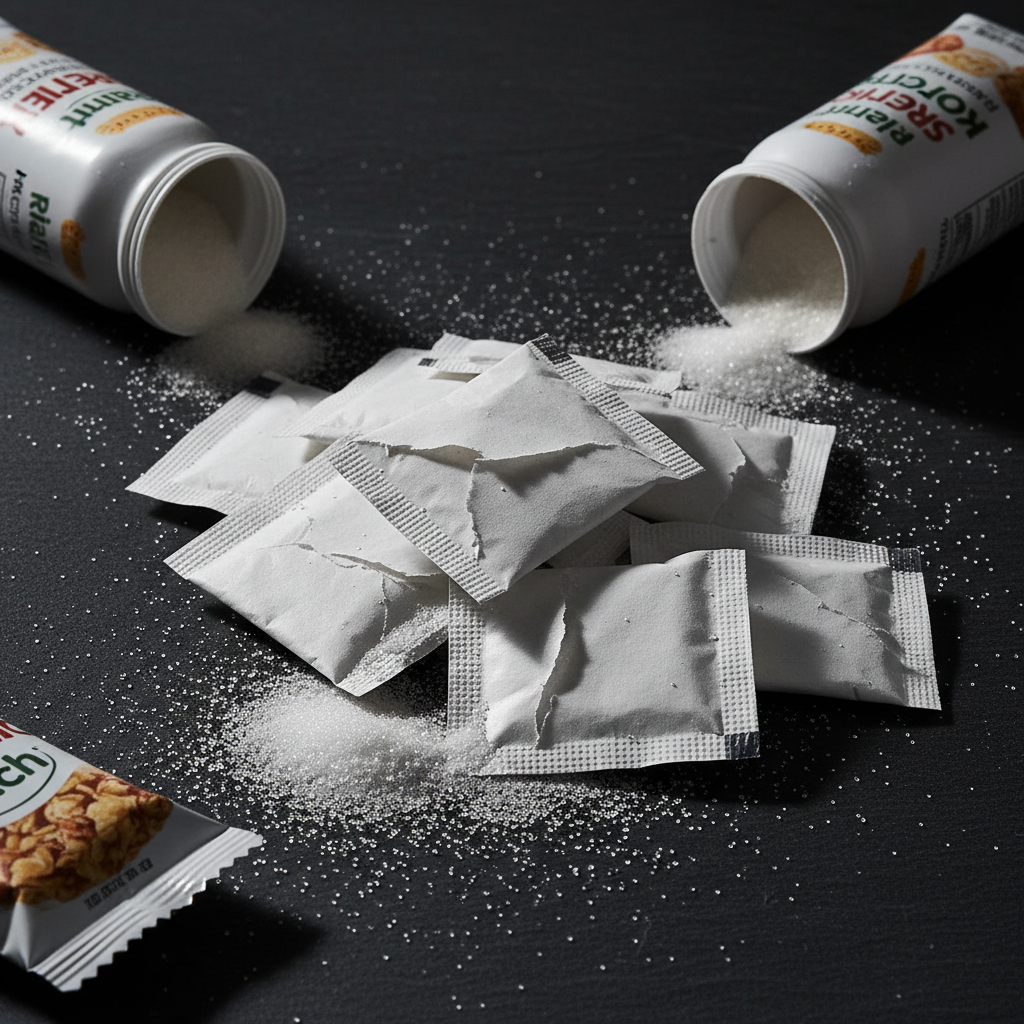
Sugar is the most consistently misrepresented ingredient in packaged food and drink. Manufacturers know that health-conscious consumers scan labels for the word "sugar." So it appears under other names: dextrose, maltodextrin, fructose, glucose, corn syrup, evaporated cane juice, agave nectar, fruit concentrate, honey powder.
These are all sugar. Maltodextrin is particularly worth watching — it has a glycaemic index higher than table sugar, meaning it raises blood sugar faster than the sugar you'd recognise. It appears in products marketed as "healthy" or "low sugar" because it isn't technically listed as "added sugar" on many labels.
Serving Size — The Oldest Trick
Nutritional panels list values "per serving." The serving size is set by the manufacturer. A product that looks modest in calories might list its values for a 30g serving — when the realistic portion you'd actually consume is 90g. Multiply the numbers by three.
This is especially common in "healthy" snacks, protein bars, and flavoured beverages. Always check what the serving size is, and compare it to how much you'd realistically consume in one sitting.
The "High Protein" Problem
Products labelled "high protein" are everywhere in Indian wellness culture. But two things are worth checking: what the protein is derived from, and what else comes with it. Many high-protein products derive their protein from low-quality sources that are difficult to digest, and mask the taste with large amounts of artificial sweeteners and flavours.
A protein that your body can't efficiently absorb doesn't deliver the benefit the label implies. Bioavailability — how much of the stated nutrient your body actually uses — matters more than the number on the panel.
If a product needs to tell you it's healthy on the label, it's worth asking why it feels the need to.
Additives and Preservatives to Be Aware Of
Common additives in packaged health foods include carrageenan (linked to gut inflammation), sodium benzoate (a preservative with documented effects on gut bacteria at high doses), and various artificial colours. None of these appear on the front label. They're buried in the ingredient list, usually near the end.
The simplest heuristic: the longer the ingredient list, the more processing has happened to the product. Products with five or fewer ingredients, where every ingredient is something you could find in a market, are almost always the better choice.
What to Actually Look For
Ingredients are listed in descending order by weight. If sugar (under any name) appears in the first three ingredients, it's a primary ingredient — not a minor addition. If the list contains ingredients you can't identify or pronounce, that's worth paying attention to. If the serving size seems unusually small compared to the portion you'd actually eat, recalculate accordingly.
FAQs
What does "no added sugar" actually mean?
It means no sugar was added during manufacturing. But the product may still be naturally high in sugar from fruit concentrates or other sources. Always check the total sugar content on the nutritional panel.
Are "natural flavours" safe?
The term "natural flavours" covers an enormous range of compounds — some benign, some not well understood at regular doses. It tells you very little about what's actually in the product.
How do I know if something is genuinely nutritious?
Short ingredient list. Whole food sources. No added sugars. No artificial colours or flavours. Nutritional values that hold up when adjusted for realistic serving size. And ideally — something that goes off if you leave it out too long.
Related Reads
Ready to start?
Build your daily wellness ritual.
Explore Our ShotsSOL Habits cold-presses fresh wellness shots every Saturday and delivers them across Delhi and Gurgaon every Sunday morning. New here? Find your shot or check our delivery areas.