SOL Habits — Your Daily Wellness Shot
SOL Habits delivers 7 fresh cold-pressed wellness shots to your door every Sunday. One shot for each day of the week. Build a 30-second daily health habit — no added sugar, no preservatives, no concentrates, naturally pulpy and fibre-retained. Serving Delhi and Gurgaon.
Every shot is cold-pressed fresh from real ingredients — no water, no concentrates, no preservatives, no added sugar. SOL shots retain more fibre and more of the whole ingredient. They have a thicker, richer taste and may naturally settle. Shake well before drinking.
SOL Habits offers 8 cold-pressed wellness shots, each designed for a specific daily benefit. One shot per day, labelled for each day of the week. Cold-pressed fresh every Saturday, delivered every Sunday to Delhi and Gurgaon.
-
Immunity
— Your daily immune shield. Ingredients: Amla, Turmeric, Honey, Tulsi. Strengthens immunity, anti-inflammatory, rich in Vitamin C. For kids, adults prone to frequent colds, anyone during seasonal changes.
-
Energy Boost
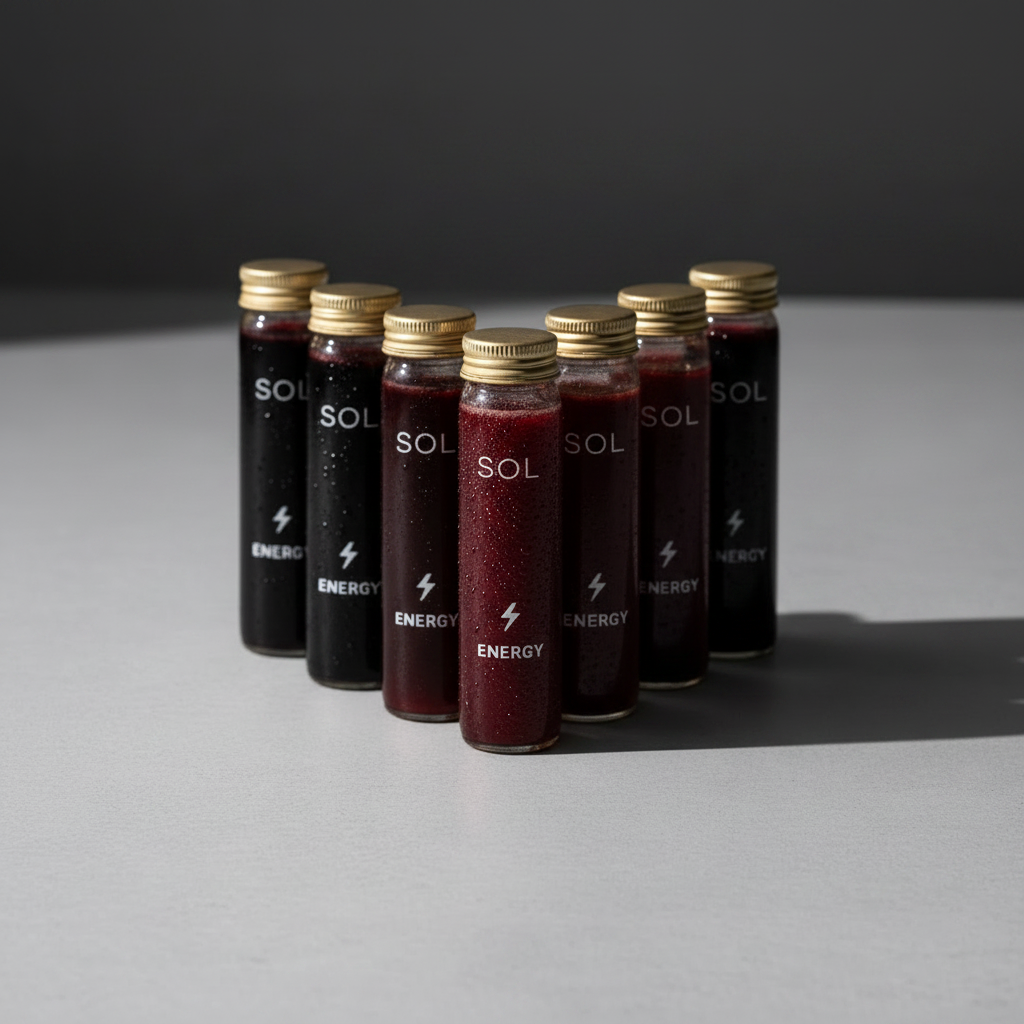
— Natural fuel, no crash. Ingredients: Beetroot, Apple, Ginger, Lemon. Increases stamina, natural sustained energy, improves circulation. For busy professionals, athletes, anyone replacing morning coffee.
-
Morning Cleanse
— Start fresh, every morning. Ingredients: Cucumber, Lemon, Ginger, Celery, Himalayan Salt, Apple Cider Vinegar. Gentle daily detox, supports digestion, alkalizing and hydrating. For early risers, those with digestive issues.
-
Power Up
— Strength, stamina and daily vitality. Ingredients: Beetroot, Pomegranate, Dates, Apple, Ginger. Supports natural vitality, stamina and endurance, rich in antioxidants. For active individuals, gym-goers.
-
Skin & Glow
— Glow from within. Ingredients: Orange, Carrot, Lemon, Pineapple. Radiant skin, high Vitamin C, collagen support. For anyone wanting clearer, brighter skin.
-
Daily Greens
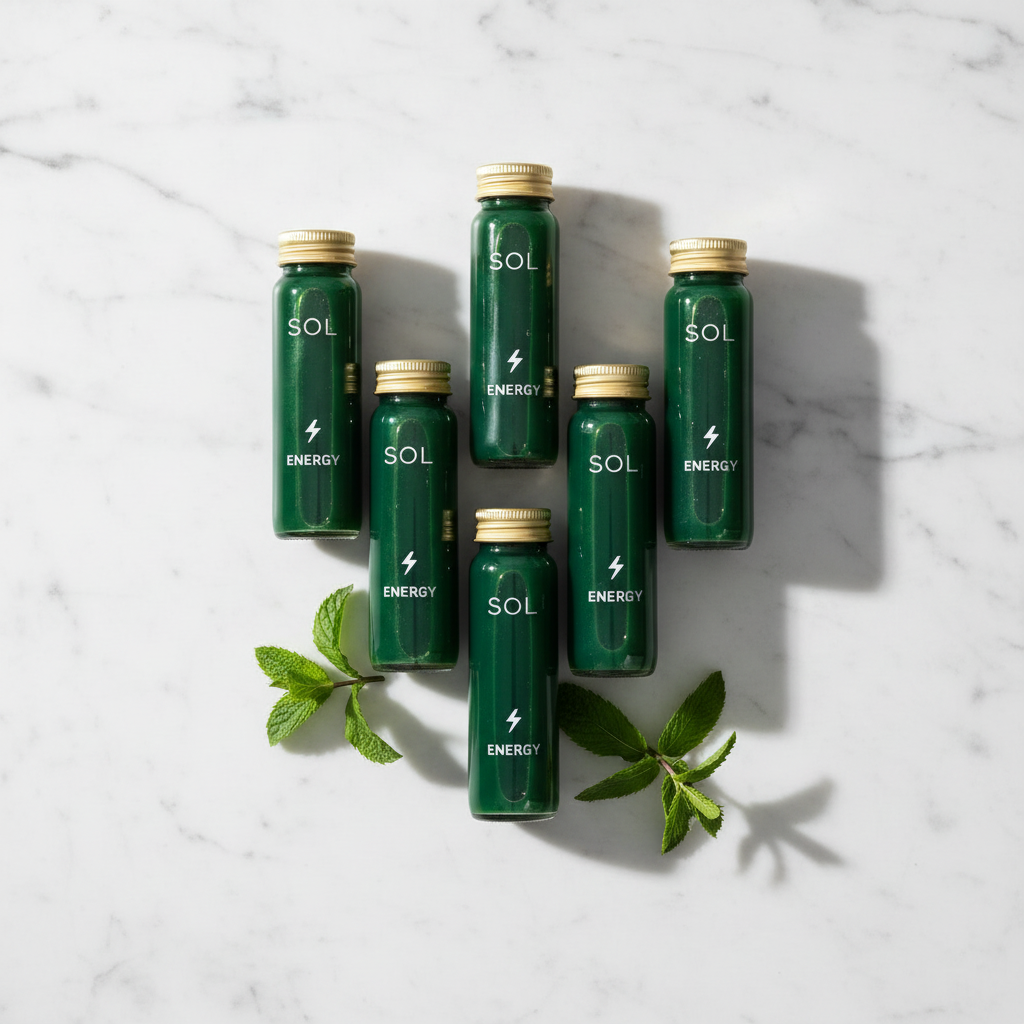
— Nutrient-dense dose. Ingredients: Kale, Spinach, Spirulina, Green Apple. Deep micronutrients, iron and folate, alkalizing and detoxifying. For health enthusiasts, vegetarians.
-
Sleep Shot
— Wind down. Sleep deeper. Ingredients: Chamomile Tea, Butterfly Pea Flower, Nutmeg, Tart Cherry, Honey, Cinnamon, Saffron. Promotes deep sleep, reduces anxiety, natural calming. For high-stress individuals, poor sleepers.
-
Breathe Easy
— Herbal support for a fresher routine. Ingredients: Lemon, Tulsi, Black Pepper, Honey, Mulethi, Turmeric, Ginger, Pineapple. Antioxidant-rich herbal formula, traditional Ayurvedic botanicals.
Plans for Our Shots
-
1-Week Trial Pack
— 7 mini cold-pressed shots (150ml each). One selected flavour. One-time purchase, no automatic renewal. Perfect for first-time discovery.
-
2-Week Starter
— Week 1: 7 x 150ml glass-tube bottles. Week 2: 1 x 1050ml glass refill bottle. SOL Kit included. Ends automatically after Week 2. No automatic renewal.
-
4-Week Journey
— Week 1: 7 x 150ml glass-tube bottles. Weeks 2-4: 1 x 1050ml refill bottle each week. Free SOL Kit and free delivery. Ends automatically after Week 4. No automatic renewal.
Bundle Packs give you two complete weekly routines in one delivery. Perfect for couples, roommates, or anyone who wants two different shots each week. 14 bottles per week — two routines, one delivery.
Each Bundle Pack contains two packs (Pack A and Pack B), each with 7 individual 150ml glass tube shots. Choose the same shot for both packs, or mix two different shots.
-
Same Shot
— Both packs contain the same flavour. Great for two people who love the same shot.
-
Different Shots
— Pack A and Pack B have different flavours. Perfect for couples or roommates with different wellness goals.
Plans for Bundle Packs
-
2-Week Starter
— Two routines, two weeks, one journey. Week 1: fourteen 150ml glass tube bottles. Week 2: two 1050ml refill bottles. SOL Kit included. Ends automatically after Week 2. No automatic renewal.
-
4-Week Journey
— Two routines for a full 4-week journey. Week 1: fourteen 150ml glass tube bottles. Weeks 2-4: two 1050ml refill bottles each week. Free SOL Kit and free delivery. Ends automatically after Week 4. No automatic renewal.
Build your own Custom Pack: choose any seven 150ml cold-pressed wellness shots from our range. Mix and match flavours to create your perfect weekly routine. All shots are individual ready-to-drink 150ml glass tube bottles — no refill bottles.
Plans for Custom Pack
-
One-Time Custom Pack
— Seven individually selected 150ml glass tube shots. Choose your seven-shot combination. One-time purchase. No automatic renewal. No refill bottle.
-
Weekly Custom Subscription
— Seven individually selected 150ml glass tube shots every week. Free delivery. Free SOL Fridge Stand with first delivery. Change your flavour mix, skip, pause, or cancel anytime. Renews weekly until paused or cancelled.
Refill your SOL routine with a fresh 1050ml cold-pressed refill bottle. Each bottle contains enough for 7 daily servings throughout the week. Choose your flavour and continue your weekly wellness ritual.
Refills can be bought by anyone — you do not need an existing subscription to buy a refill. Refills are available to everyone.
Plans for Refills
-
One-Time Refill
— A single 1050ml refill bottle. One selected flavour. One-time purchase. No automatic renewal.
-
Weekly Refill Subscription
— One 1050ml refill bottle every week. Free delivery. Change flavour, skip, pause, or cancel anytime. Renews weekly until paused or cancelled. No lock-in.
Available Refill Flavours
-
Immunity
— Amla, Turmeric, Honey, Tulsi
-
Energy Boost
— Beetroot, Apple, Ginger, Lemon
-
Morning Cleanse
— Cucumber, Lemon, Ginger, Celery, Himalayan Salt, Apple Cider Vinegar
-
Power Up
— Beetroot, Pomegranate, Dates, Apple, Ginger
-
Skin & Glow
— Orange, Carrot, Lemon, Pineapple
-
Daily Greens
— Kale, Spinach, Spirulina, Green Apple
-
Sleep Shot
— Chamomile Tea, Butterfly Pea Flower, Nutmeg, Tart Cherry, Honey, Cinnamon, Saffron
-
Breathe Easy
— Lemon, Tulsi, Black Pepper, Honey, Mulethi, Turmeric, Ginger, Pineapple
How to store your refill: Keep refrigerated. Pour your daily serving and return the bottle to the fridge. Fresh for 7 days. Shake well before pouring.
Not sure which SOL Habits wellness shot is right for you? Our AI-powered quiz asks a few quick questions about your lifestyle, health goals, and daily routine, then recommends the shot that best fits your needs.
-
Place Your Order
— Order your weekly pack anytime Monday to Friday. Choose your shot, your plan, and your delivery address.
-
Freshly Cold-Pressed
— Every Saturday, we cold-press your shots using fresh, real ingredients. No water, no concentrates, no preservatives, no added sugar.
-
Delivered to Your Door
— Your 7-bottle weekly pack arrives at your doorstep every Sunday morning. One shot per day, labelled for each day of the week.
-
Drink Daily
— One shot per day. Keep refrigerated. Shake well before drinking. Build a 30-second daily health habit.
SOL Habits is a habit-first wellness shot brand. We cold-press fresh shots every Saturday and deliver them every Sunday to homes across Delhi and Gurgaon. No preservatives, no added sugar, no concentrates — just real, cold-pressed ingredients.
We believe consistency beats intensity. A daily 30-second wellness habit is more powerful than an occasional health kick. That is why we design everything around a simple weekly cycle: order once, cold-press fresh, deliver weekly, drink daily.
What are SOL Habits wellness shots?
Cold-pressed wellness drinks made from real fruit, vegetables, and herbs. No water, no concentrates, no preservatives, no added sugar. Each shot is 150ml (mini) or 1050ml (refill bottle).
Do SOL shots contain added sugar?
No. SOL shots have no added sugar. Any sweetness comes naturally from the real fruit and vegetables we press.
Where does SOL Habits deliver?
Every Sunday morning to Delhi and Gurgaon.
Do journeys renew automatically?
No. The 2-Week Starter ends after Week 2 and the 4-Week Journey ends after Week 4. No automatic renewal.
Can I pause or cancel my subscription?
Yes. Weekly subscriptions can be paused, skipped, or cancelled anytime. No lock-in.
Email:
support@solhabits.com
| Instagram:
@solhabits
Delivery areas: Delhi and Gurgaon. Cold-pressed in our Gurgaon facility. Delivered every Sunday morning.
Practical, no-nonsense guidance on daily wellness habits, morning routines, gut health, energy, nutrition, and building consistency. No fads, no hype — just what actually works.
-
Why Hidden Sugar in Packaged Juices Is a Bigger Problem Than You Think
— Many packaged juices carry more sugar than most people realise. Here's what to look for. (May 1, 2026)
-
Are Health Powders Actually Healthy?
— Ultra-processed powders, hidden sugars, and misleading claims. (April 21, 2026)
-
Why Reading Food & Drink Labels Matters More Than Ever
— Misleading claims, hidden sugars under 56 names, and the serving size trick. (April 21, 2026)
-
What Happens to Your Body When You Start the Day Right
— The quiet biological chain reaction when you give your body the right input. (April 21, 2026)
-
How What You Drink First Thing in the Morning Shapes Your Day
— Two people. Same city. One small difference. (April 20, 2026)
-
Is Daily Greens Actually Good For You?
— The science behind daily greens. (April 18, 2026)
-
How Often Should You Drink Wellness Shots?
— Daily? Weekly? Before or after food? (April 16, 2026)
-
3 Signs Your Gut Needs Support
— Your gut gives you signals. Most people don't know how to read them. (April 14, 2026)
-
Why Vitamin D Is So Important To Your Health
— Most people in India are deficient and don't know it. (April 12, 2026)
-
5 Symptoms of Poor Gut Health & What To Do
— Bloating, brain fog, low energy. (April 10, 2026)
-
Why Caffeine Might Be Draining You
— You rely on it to wake up. But it might be working against you. (April 8, 2026)
-
Why Vitamin C Is Important For Skin Health
— It's not just for immunity. It starts from the inside. (April 6, 2026)
-
Why You Feel Bloated Even When You Eat Healthy
— Salads. Whole grains. Fruits. And still bloated? (April 4, 2026)
-
Why Your Energy Drops Every Afternoon
— The 3pm slump is real — and it's not random. (April 2, 2026)
-
Simple Daily Habits for Better Digestion
— No elimination diets. Just small shifts. (March 30, 2026)
-
The Best Morning Habit for Busy Professionals
— Not a 60-minute ritual. Just the one thing that fits your life. (March 28, 2026)
-
Why You Can't Stay Consistent with Your Health
— The real reason your motivation fades. (April 12, 2026)
-
Building a Healthy Routine When You're Always Busy
— Simple frameworks for demanding days. (April 8, 2026)
-
The Morning Routine Busy Professionals Actually Stick To
— No 5AM wake-ups. Just what actually works. (April 3, 2026)
-
Motivation Doesn't Work. Here's What Does.
— Why waiting to feel ready is the biggest trap. (March 28, 2026)
-
The Questions You Should Ask Before Starting Any Health Routine
— Before you change what you eat, start here. (March 22, 2026)
Delivery Areas
SOL Habits delivers fresh cold-pressed wellness shots every Sunday morning to Delhi and Gurgaon (Gurugram). Cold-pressed fresh every Saturday.
© 2026 SOL Habits. All rights reserved.